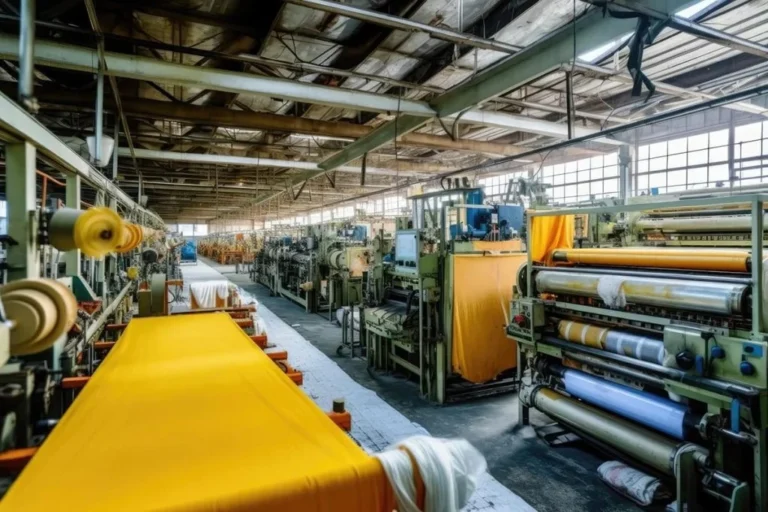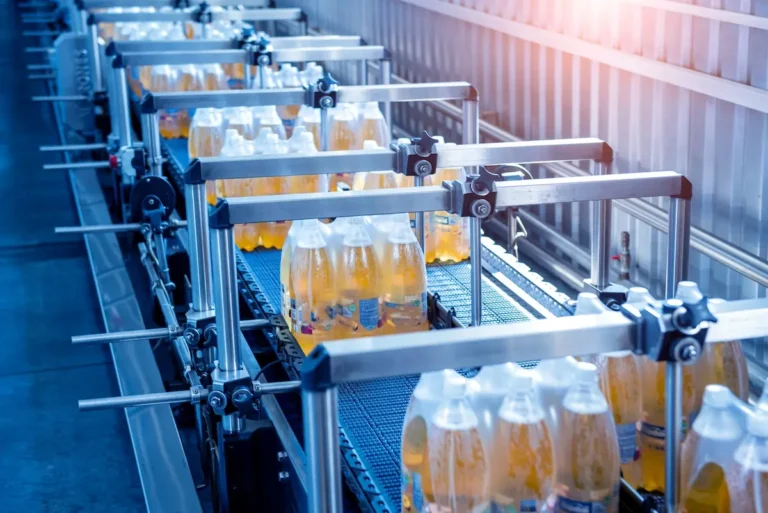
Industrial Effluent Treatment Plant Customized Designs – Tailoring advanced wastewater purification to meet specific industry needs, ensuring compliance, resource recovery, and sustainable reuse.
What It Does
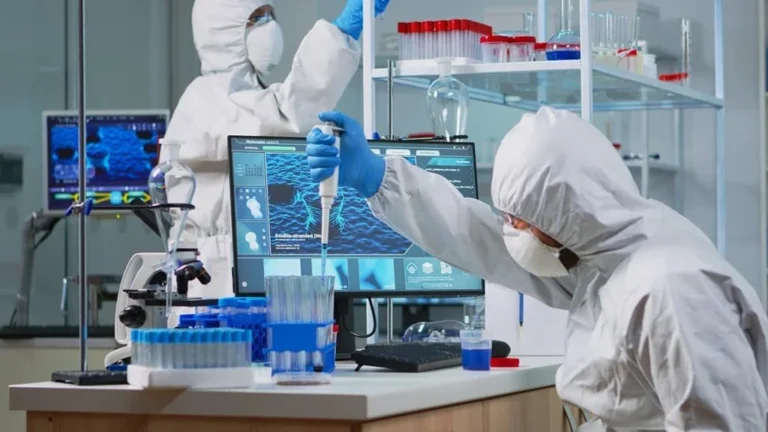
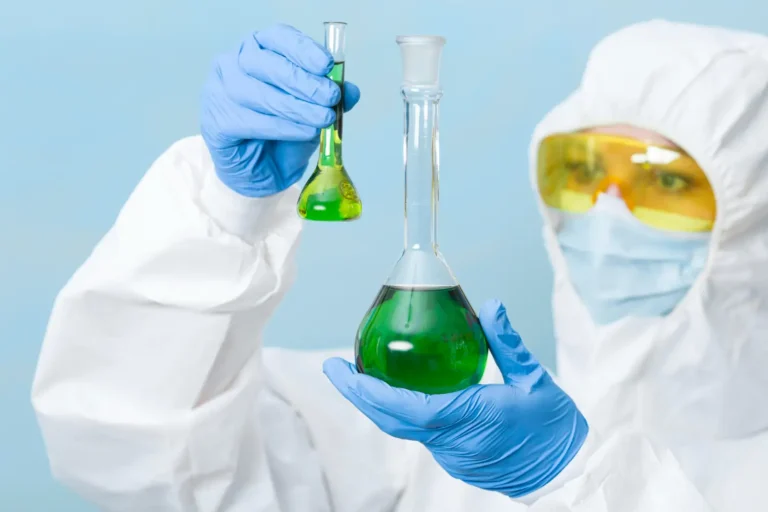
Sarvo’s Industrial Effluent Treatment Plants ETPs are bespoke systems engineered to treat contaminated wastewater from diverse industrial processes, transforming it into reusable water or safe discharge while recovering valuable resources. Customized based on client-specific use cases, the design begins with a thorough analysis of effluent characteristics, including pH, BOD, COD, TSS, heavy metals, and organics, to select optimal treatment stages.
The process typically starts with preliminary screening and grit removal to eliminate large solids, followed by equalization and neutralization tanks to stabilize flow and pH (e.g., using lime or acids to achieve 6 9 range). Primary treatment involves chemical coagulation and flocculation (with alum or polymers) for precipitation of suspended solids, leading to sedimentation in clarifiers. Secondary biological treatment employs activated sludge processes, trickling filters, or sequencing batch reactors SBR) where microorganisms degrade organics, reducing BOD/COD by 90% through aeration and nutrient control. Tertiary polishing includes advanced filtration (e.g., ultrafiltration, reverse osmosis) for dissolved solids removal, activated carbon adsorption for organics, and disinfection UV or chlorination) to eliminate pathogens.
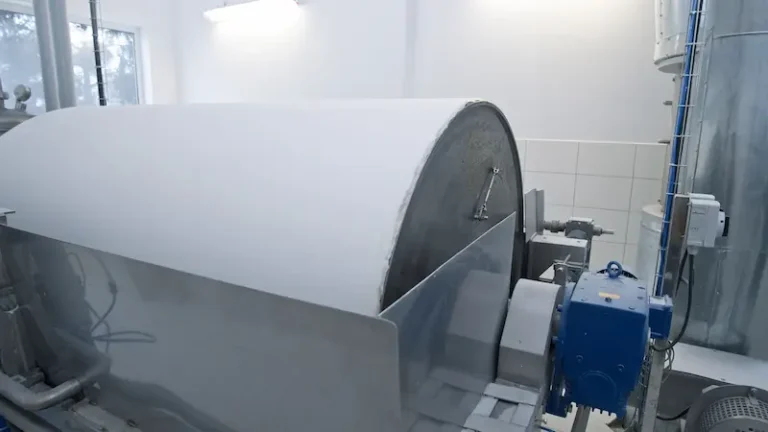
Sludge from settling is thickened, dewatered via centrifuges or drying beds, and managed for disposal or reuse. Customization integrates site-specific factors like flow rates 10 10,000 m³/day), space constraints, and regulations (e.g., CPCB norms), incorporating automation for real-time monitoring and energy recovery for efficiency. This results in up to 95% water recovery, minimized environmental impact, and compliance with global standards, enabling industries to repurpose treated effluent for cooling, boiler feed, or irrigation while reducing freshwater dependency and operational costs.
Key Benefits
-
High Pollutant Removal Efficiency
Achieves 90 99% reduction in BOD, COD, TSS, heavy metals, and organics through multi-stage processes, producing high-quality effluent suitable for reuse or safe discharge.
-
Resource Recovery and Cost Savings
Recovers water (up to 95% , valuable by-products (e.g., biogas, nutrients), and energy, reducing freshwater procurement and waste disposal costs by 30 50%.
-
Energy Efficiency
Incorporates low-energy technologies like optimized aeration and heat recovery, cutting operational energy use by 20 40% and lowering overall OPEX.
-
Automation and Reliability
Real-time monitoring, predictive maintenance, and automated controls ensure 95% uptime, minimal manual intervention, and consistent treatment quality.
-
Regulatory Compliance and Risk Mitigation
Meets stringent local and international standards (e.g., EPA, CPCB , avoiding fines, legal issues, and reputational damage while supporting ESG reporting.
-
Compact and Scalable Design
Modular configurations minimize footprint (up to 50% less space) and allow easy expansion or retrofitting, ideal for space-limited industrial sites.
-
Reduced Sludge Generation
Advanced biological and dewatering processes produce 30 50% less sludge, simplifying management and reducing disposal expenses.
-
Sustainability Focus
Promotes circular economy by enabling water reuse, reducing pollution, and minimizing carbon footprint, aligning with global sustainability goals.