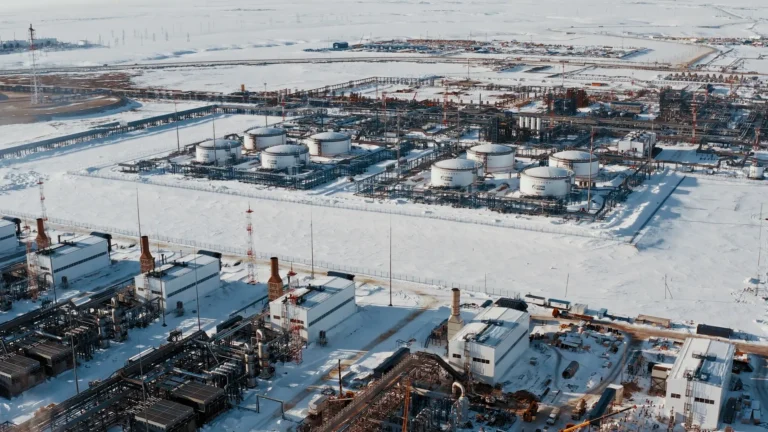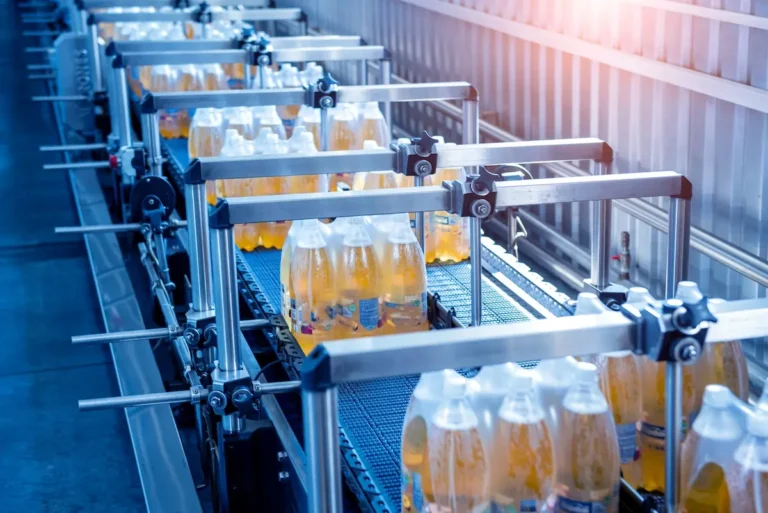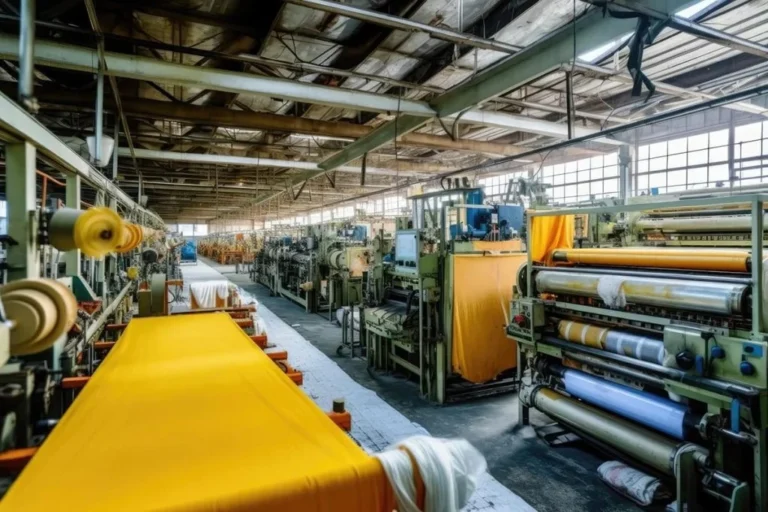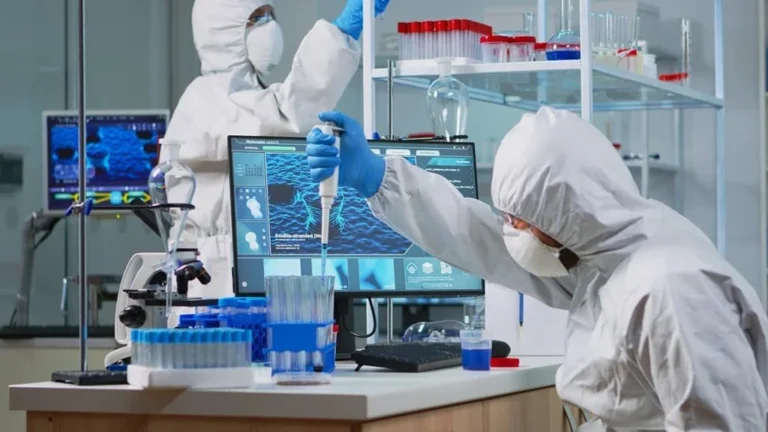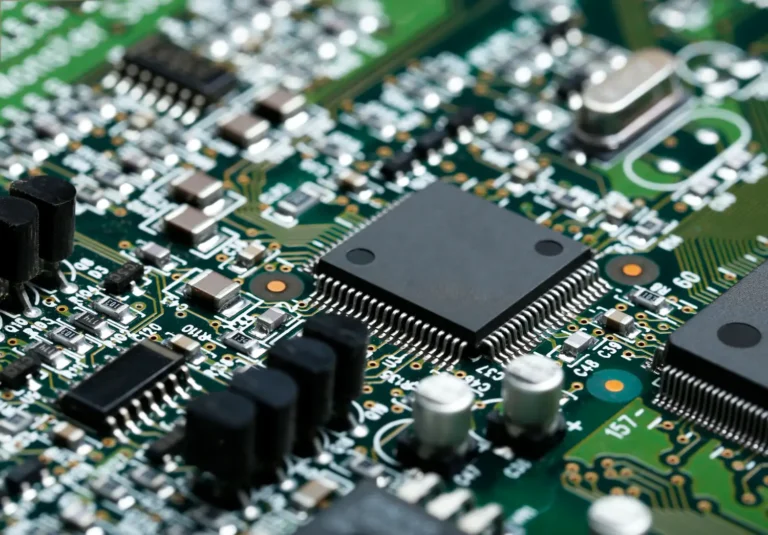
Ultrapure Water UPW Plants – Delivering the highest purity water essential for contamination- free processes in high-tech manufacturing and critical applications.
What It Does
Sarvo’s Ultrapure Water UPW Plants are engineered to produce water of exceptional purity, removing virtually all contaminants to meet the stringent demands of industries like semiconductors, pharmaceuticals, and power generation. The process begins with pretreatment, where raw water undergoes multimedia filtration, activated carbon adsorption, and softening to eliminate suspended solids, organics, chlorine, and hardness ions. This is followed by reverse osmosis RO , which uses semi-permeable membranes to reject dissolved salts, achieving up to 99% removal of ions and organics under high pressure (typically 200 400 psi for brackish water or 600 1000 psi for seawater).
The primary purification stage employs electrodeionization EDI) or mixed-bed ion exchange to further deionize the water, targeting resistivity levels above 18.2 MΩ·cm. Advanced polishing includes UV irradiation for microbial control and TOC reduction, ultrafiltration for sub-micron particle removal, and degasification (membrane or vacuum) to eliminate dissolved gases like oxygen and CO2. Continuous monitoring with inline sensors ensures parameters like conductivity
0.055 µS/cm), TOC 1 ppb , and particles 10/mL at 0.1 µm) are maintained.
Sarvo’s modular UPW systems are scalable (from 10 m³/h to 500 m³/h), incorporating AI-driven controls for real-time optimization and predictive maintenance. This multi-barrier approach prevents contamination in sensitive applications, enabling direct use in wafer rinsing, drug formulation, or boiler feed, while minimizing waste through efficient recovery (up to 75 85% . By integrating sustainable practices like energy recovery devices, these plants reduce operational costs and environmental impact, ensuring compliance with standards like ASTM D5127 and SEMI F63. 248 words)
Key Benefits
-
Exceptional Purity Levels
Achieves resistivity 18.2 MΩ·cm, TOC 1 ppb, and particle counts 10/mL, eliminating contaminants that could cause defects in precision manufacturing or product failures.
-
High Efficiency and Recovery
Recovers 75 85% of feed water through optimized RO and EDI, reducing freshwater consumption and waste generation in water-scarce environments.
-
Energy and Cost Savings
Incorporates energy recovery devices and low-pressure membranes, cutting energy use by 20 30% and OPEX through reduced chemical needs and extended component life.
-
Sustainability and Resource Optimization
Supports circular economy by enabling water reuse, reducing chemical discharge, and lowering carbon footprint, aligning with ESG goals.
-
Regulatory Compliance and Quality Assurance
Meets stringent standards like ASTM, SEMI, USP, and EP, ensuring validation for pharmaceuticals and electronics, with automated monitoring for audit-ready documentation.
-
Compact and Scalable Design
Modular systems require minimal footprint (up to 50% less than traditional setups), allowing easy integration, expansion, or retrofitting without disrupting operations.
-
Enhanced Reliability and Automation
AI-driven predictive maintenance and real-time analytics minimize downtime 99% uptime), with remote monitoring for proactive issue resolution.
-
Customizable for Diverse Needs
Tailored configurations handle varying feed water qualities, from brackish to seawater, with options for hot UPW 70 80°C) for specialized processes.