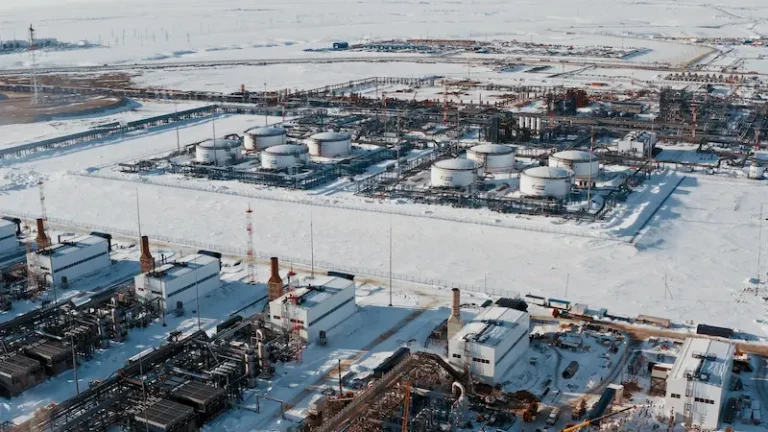
Power Generation and Energy Sector
Treats cooling tower blowdown and other effluents in thermal plants, enabling high recovery rates for reuse and minimizing environmental discharge in water-stressed regions.
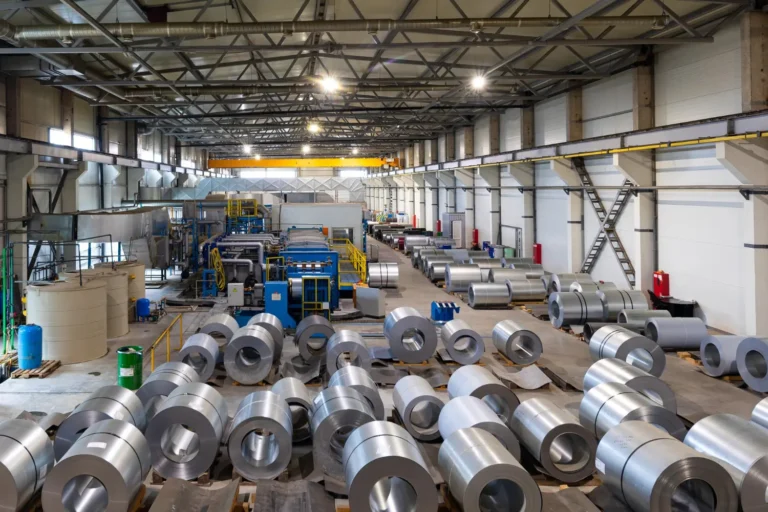
Steel and Metals
Manages pickling and galvanizing waste with acids and heavy metals, recovering metals and water for closed-loop operations in high-pollution industries.

Educational and Institutional Campuses
Supports schools, universities, and research facilities with reliable, low-maintenance systems for treating institutional sewage and complying with environmental norms.

Commercial Establishments such as Malls, Hotels, and Offices
Effective for high- occupancy buildings generating variable waste loads, enabling water recycling for flushing, cooling, and irrigation while meeting hygiene standards.

Municipal and Urban Wastewater Management
Ideal for city sewage systems handling domestic waste, providing flexible treatment for fluctuating urban flows and producing effluent suitable for river discharge or reuse in public amenities.
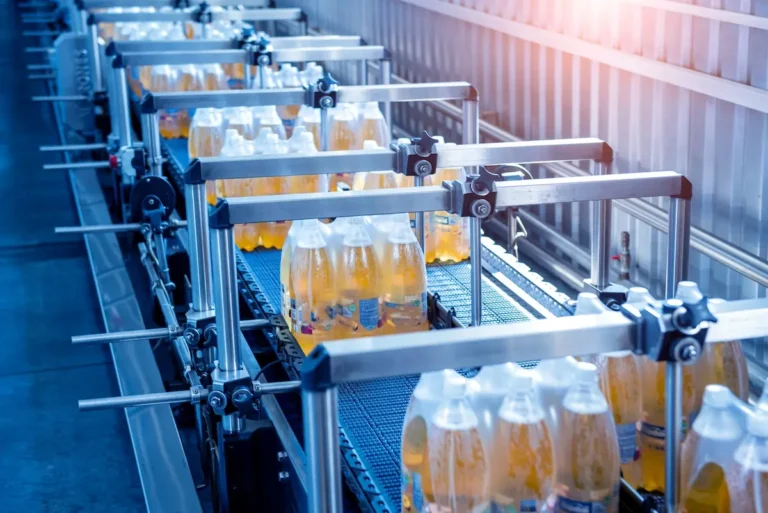
Food and Beverage
Processes high-organic effluents from processing plants, enabling reuse for non-potable applications and reducing sludge, supporting hygiene and sustainability standards.
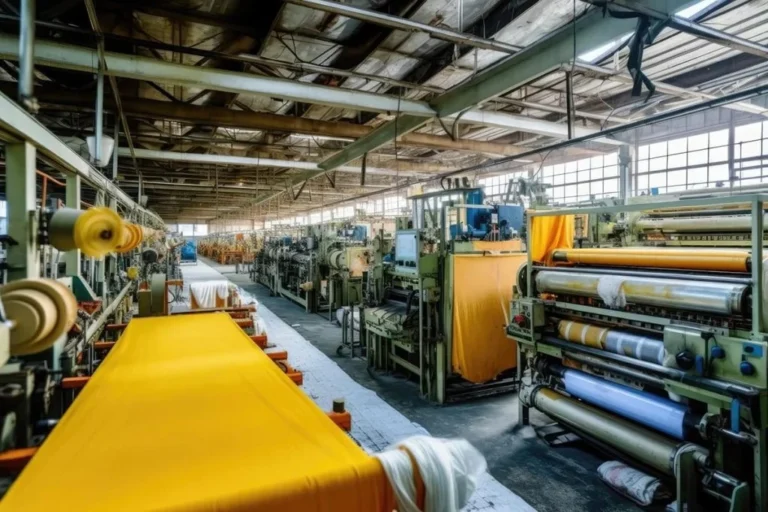
Textile and Apparel Manufacturing:
Treats dyeing effluents with high color, COD, and TDS, enabling 90 95% water recycling and salt recovery, cutting costs in water-intensive processes.
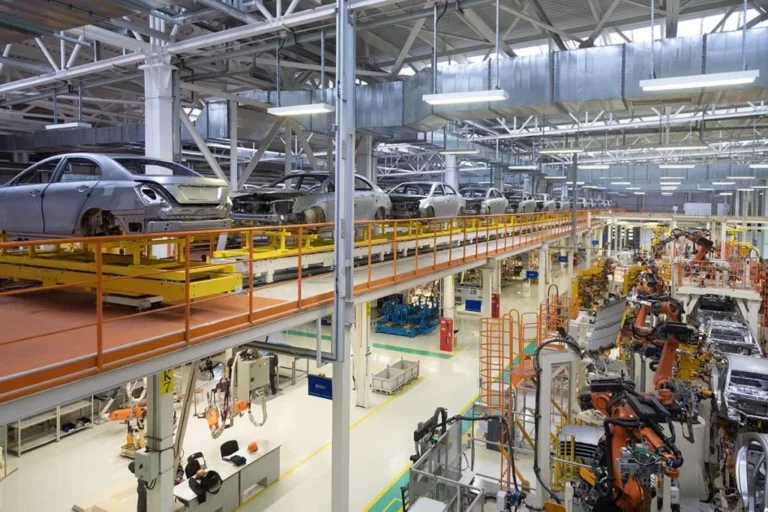
Industrial Estates and Process Industries:
Applicable for sectors like food processing, textiles, and chemicals producing domestic-strength wastewater, ensuring robust treatment of organic loads and nutrient control.

Hospitals and Healthcare Facilities
Provides advanced pathogen and nutrient removal for medical wastewaters, facilitating safe discharge or reuse in non-critical applications while adhering to health regulations.

Pharmaceuticals and Biotechnology
Handles complex API wastewater with high organics and toxics, achieving ZLD for compliance and recovering solvents/water for reuse, reducing freshwater needs by 85%.